

UNDERSTANDING CREDIT, APR & RESPONSIBLE BORROWING | State Global
Credit & Borrowing Made Simple
Credit plays a central role in financial stability. Whether applying for a mortgage, auto loan, or credit card, your credit profile influences approval decisions and interest rates.
At State Global, we believe informed borrowers make stronger financial decisions.
How Credit Scores Work
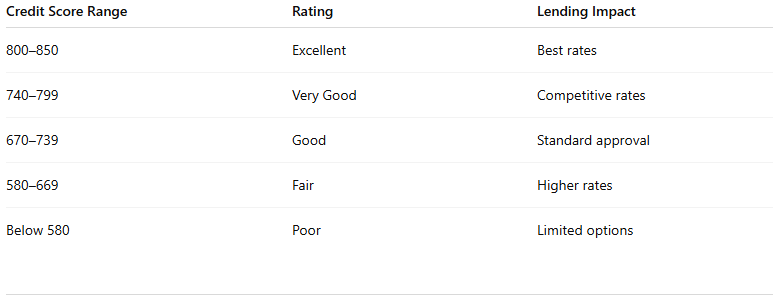
A credit score is a numerical representation of your creditworthiness. It typically ranges from 300 to 850.
What Impacts Your Credit Score?
Payment History (35%)
On-time payments improve your score
Late payments significantly reduce it
Credit Utilization (30%)
How much of your available credit you use
Ideal: Keep balances below 30% of your limit
Length of Credit History (15%)
Longer credit history increases stability
Credit Mix (10%)
A mix of credit cards, auto loans, mortgages
New Credit Inquiries (10%)
Multiple hard inquiries in a short period can lower your score
Improving Your Credit Profile
Improving your credit takes discipline and consistency.
✔ Make All Payments on Time
Payment history is the largest factor.
✔ Lower Credit Utilization
Pay down balances before statement closing dates.
✔ Avoid Opening Multiple Accounts at Once
Too many new accounts can signal risk.
✔ Keep Older Accounts Open
Length of history matters.
✔ Review Your Credit Report Annually
Check for errors and dispute inaccuracies.
Pro Tip: Even small balance reductions can quickly improve utilization ratios.
Understanding APR vs. Interest Rate
Many borrowers confuse these two terms.
Interest Rate
The percentage charged on borrowed money.
APR (Annual Percentage Rate)
The total annual cost of borrowing, including:
Interest
Certain fees
Additional lender charges
APR provides a more accurate comparison between loan offers.
Example:
Loan A:
6% interest rate
6.2% APR
Loan B:
6% interest rate
6.8% APR
Loan A is less expensive overall due to lower fees.
Responsible Use of Credit Cards
Credit cards can be powerful financial tools when used correctly.
Best Practices:
✔ Pay your balance in full each month
✔ Keep utilization below 30%
✔ Avoid cash advances
✔ Set payment reminders
✔ Monitor transactions regularly
Benefits of Responsible Use:
Builds credit history
Earns rewards
Provides fraud protection
Improves loan eligibility
Risks of Misuse:
High interest accumulation
Increased debt burden
Credit score damage
-
Description text goes hereA score above 670 is generally considered good.
-
Description text Positive changes may appear within 30–90 days, depending on actions taken. Goes here
-
Soft inquiries do not affect your score. Hard inquiries may.